

Fitness & Weight Lifting Programs
-
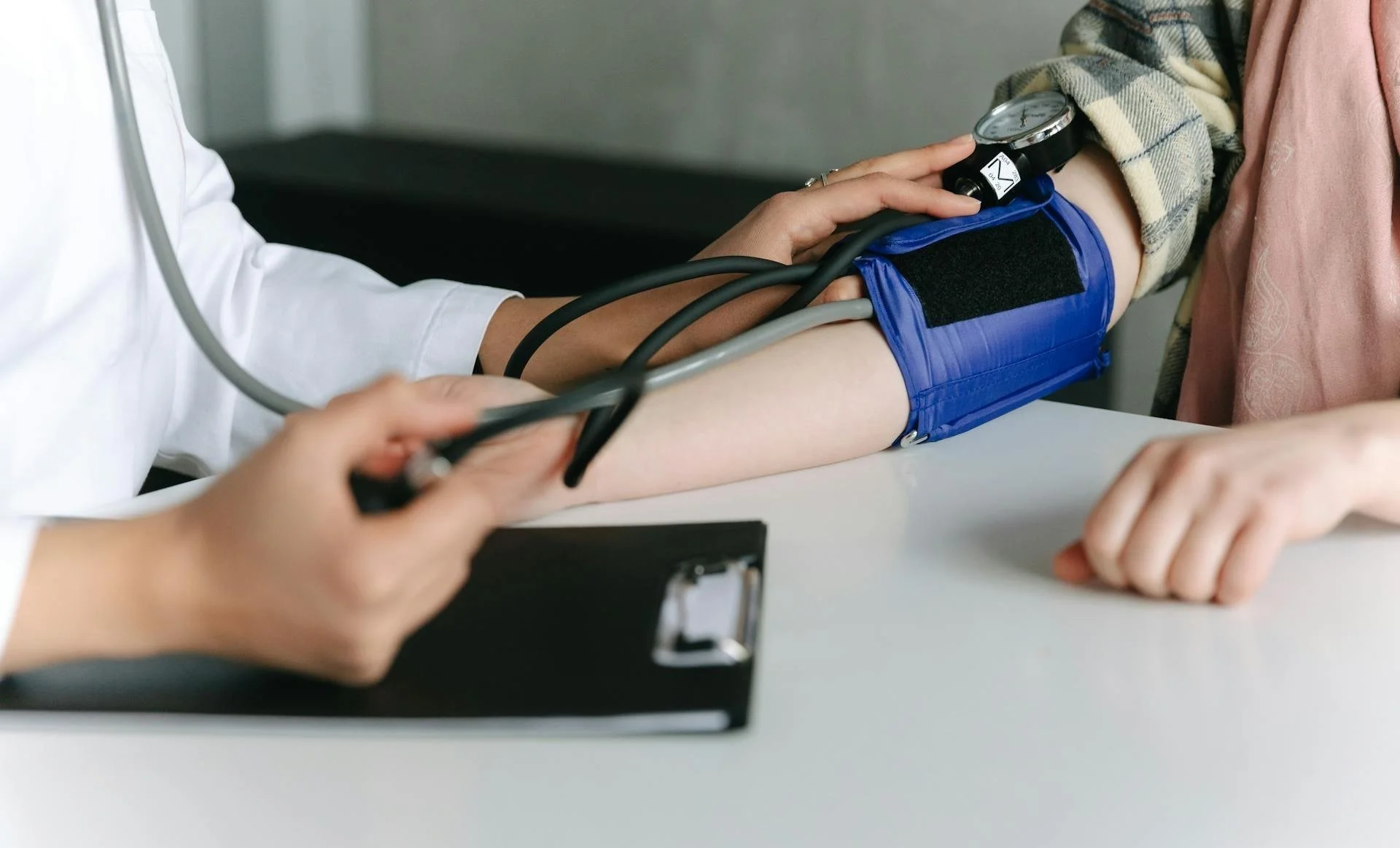
Client Screening & Baseline Profile
Health Screening:
Review medical history, medications, recent surgeries, cardiovascular or metabolic conditions, and any musculoskeletal issues
Require physician clearance when indicated.
Baseline Testing:
Measure resting vitals, blood pressure, & heart rate during both rest and walking
Review Baseline Movement Quality:
Squat, hinge, lunge, push, pull, overhead mobility, and balance
-

Technique and Coaching
Individual assessment:
Initial screening: health history, movement screens, strength, and mobility assessments
Identify limitations, contraindications, and starting loads
Goal Setting:
Your goals and history define your unique program
Ongoing goal adaptation to determine course and outcomes
Reduce Injury Risk & Improve Outcomes:
Safe exercises based on your baseline profile
-
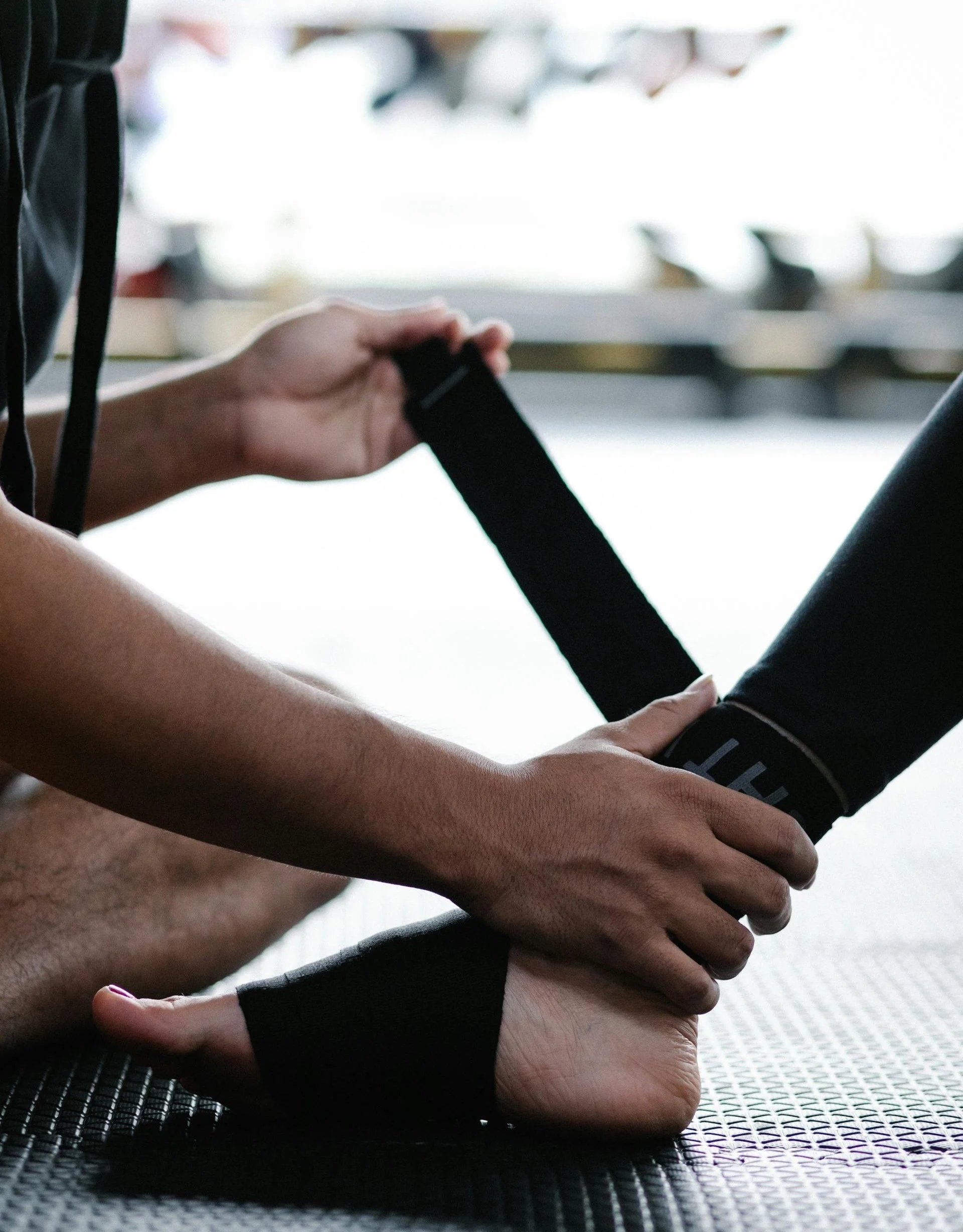
Key Components of These Unique Training Programs
Collaboration with a qualified healthcare professional
Focus on safe practices and ongoing monitoring
Experienced training in nutrition and recovery
Attention to client assessment, program design, and technique instruction
Safety reduces injury risk, improves outcomes, and fosters client confidence and retention.
-

Program Design
Form During Training:
Emphasis on learning correct form minimizes joint and soft-tissue stress
Progressive Overload:
Gradual load, volume, and complexity increase only when technique and recovery permit
Dynamic Warm-Up:
Prepare muscles, joints, and the nervous system for work helps prevent injury
Cool-Down & Recovery:
Support tissue repair and regeneration
Review progress and celebrate achievements