

Mental & Spiritual Care
-

When to Seek Help
Major life transitions: Loss, relationship breakdown, career change, chronic illness
Moods and Daily thoughts: Mood, sleep, appetite, and medication adherence
Desiring Change: Desire to deepen spiritual life, Clarify and determine values, Integrate spiritual experiences in a healthy way
-
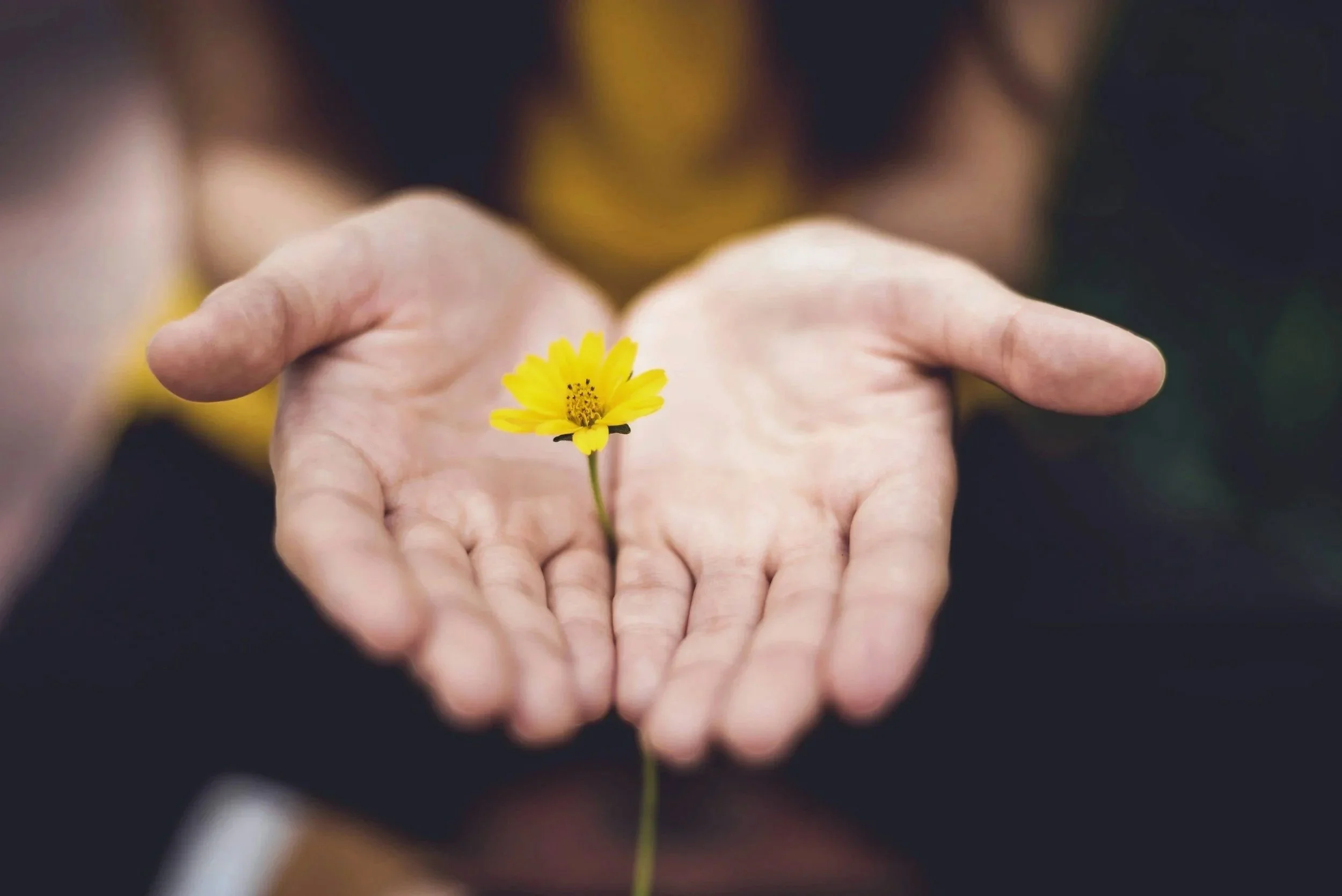
Types of Support
Support Groups: recovery meetings, faith communities, meditation or prayer
Professional Referrals: can help with assessment and diagnosis
Goals:
- Improve both clinical needs and protect personal beliefs
- Find more love, joy, peace, patience, kindness, and self-control
-Reduce stress hormones: lowers cortisol and other stress-related hormones
-

Spiritual Reassurance
Spiritual Direction: Confidential ongoing guidance to deepen spiritual life, and personal practice
Inclusive: Serve people of all faiths, none, and those exploring belief — always with respect for individual identity and culture
Compassionate Communication: Building whole-person care plans
Ritual and Ceremony Design: personalized rituals for births, marriages, endings, and memorials that honor culture and belief
-

Self Directed Practices
Grounding exercises: Mindfulness, meditation, breathwork, prayer
Creative expression: Journaling, painting, drawing, dance
Self-care practices: Regular physical activity and nutrition
Better sleep: Natural light exposure improves sleep quality at night
Spending time in nature: Natural settings reduce repetitive negative thinking