

Eating Well - Made Simple
Nourishing Recipes for Health and Recovery
Each Lesson includes step-by-step printable shopping lists and instructions. Audio instructions are easy to download and can help when you are ready to begin your meal prep.
Medical Nutrition & Recipes
-
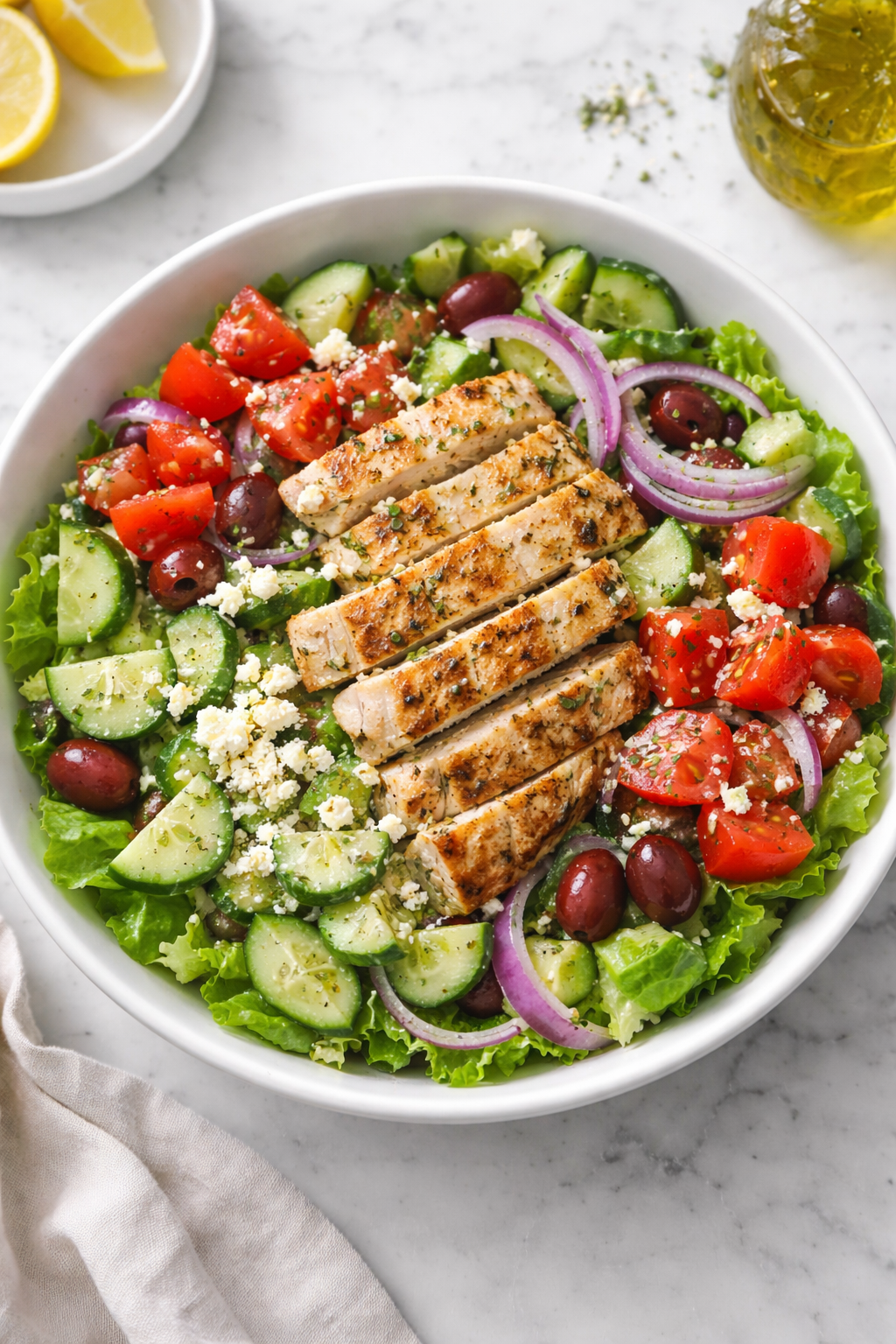
Mediterranean Diet Recipe Bundle #1
This course has the following delicious & easy to prepare meals:
🔵Greek Chicken Salad
🟢Quinoa Chicken Bowl
🔵Chicken Soup
🟢Lentil Vegetable Soup
🔵Chicken Lemon Herb Bowl
🟢Greek Yogurt Chicken Wrap
🔵Lentil Chicken Power Bowl
🟢Egg White Scramble
🔵Mediterranean Tuna Salad
🟢Turkey and White Bean Power Bowl
-
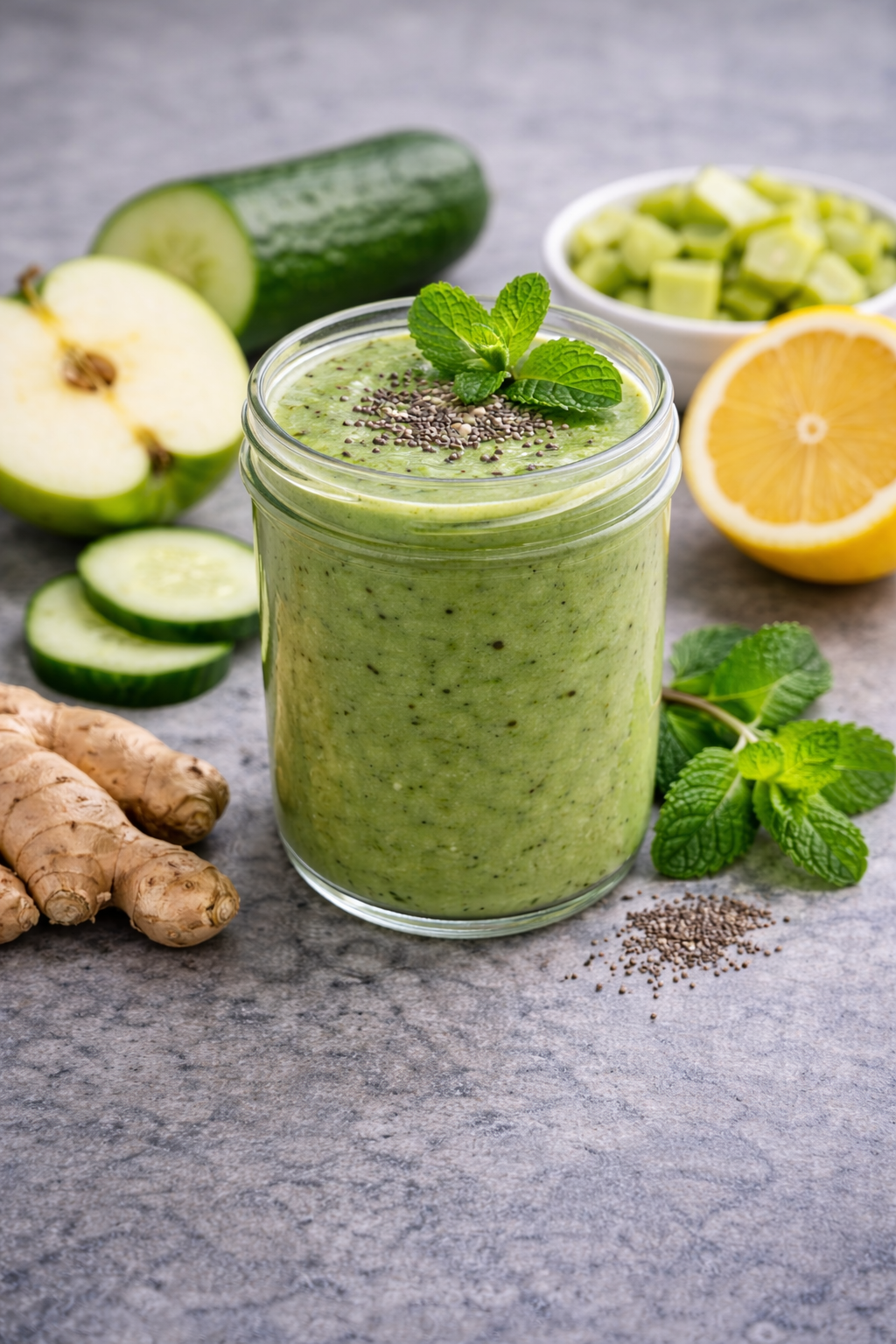
Full Liquid Nutrition Recipe Bundle #1
This course has the following delicious & easy to prepare meals:
🟢Tropical Smoothie
🔵Spinach & Avocado Shake
🟢Berry Yogurt Smoothie
🔵Chicken & Vegetable Soup
🟢Chocolate Banana Shake
🔵Peanut Butter Smoothie
🟢Orange & Carrot Smoothie
🔵Creamy Tomato Soup
🟢Pineapple Coconut Smoothie
🔵Warm Cinnamon Apple Smoothie
-
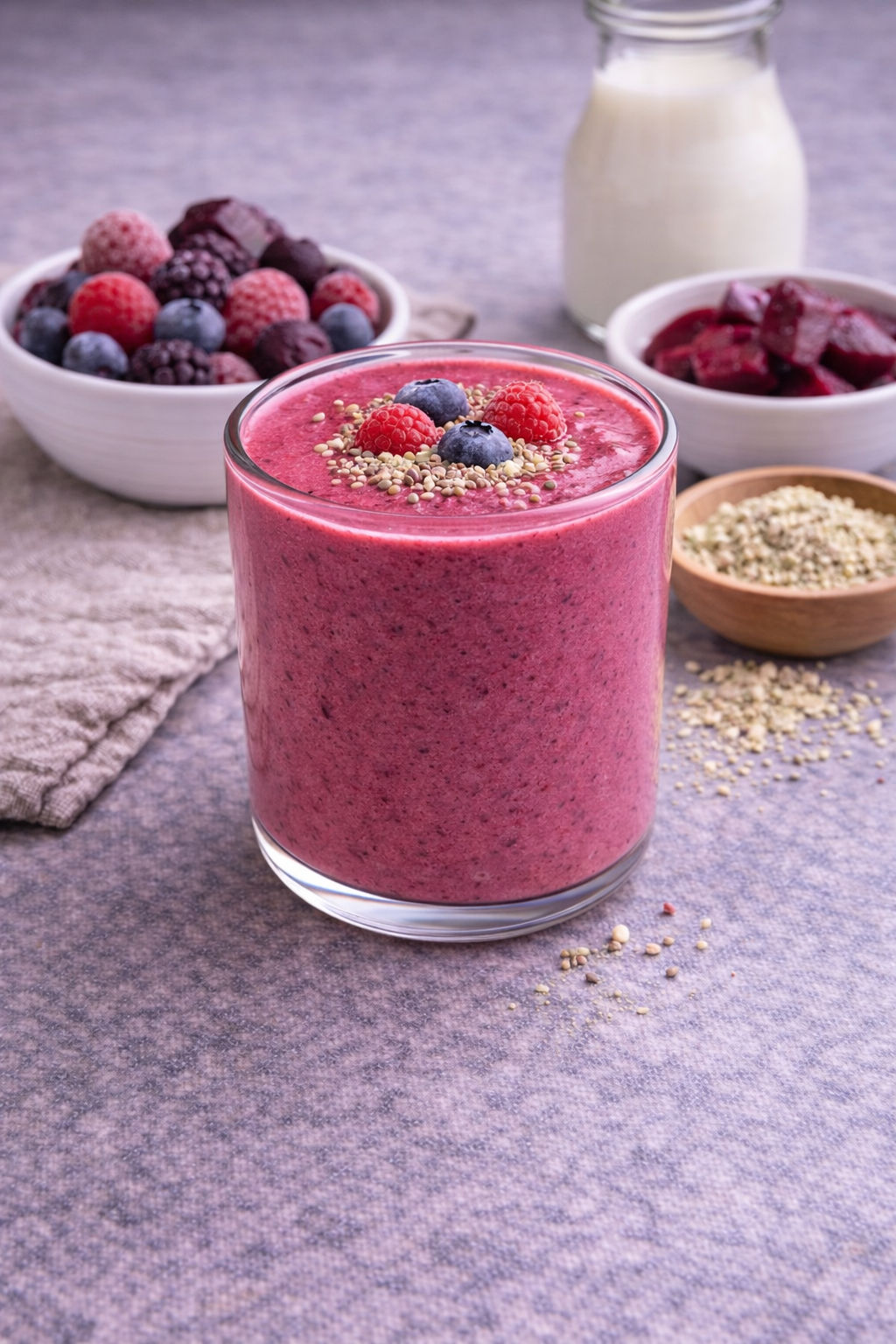
Full Liquid Nutrition Recipe Bundle #2
This course has the following delicious & easy to prepare meals:
🟢Banana Almond Smoothie
🔵Sweet Potato Soup
🟢Blueberry Cinnamon Smoothie
🔵Tumeric Latte
🟢Strawberry Oat Smoothie
🔵Carrot Ginger Soup
🟢Chocolate Avocado Shake
🔵Peanut Butter Smoothie
🟢Beet Berry Shake
🔵Protein Bone Broth Soup
-

Heart Healthy DASH
Target high blood pressure:
Low-sodium, DASH-style pattern: fruits, vegetables, low-fat dairy, and whole grains
High LDL cholesterol, and Inflammation: fiber, plant sterols; replace saturated fats with unsaturated fats.
Prescribed Medication Considerations:
Any diuretics, antihypertensives, and cholesterol medications
-
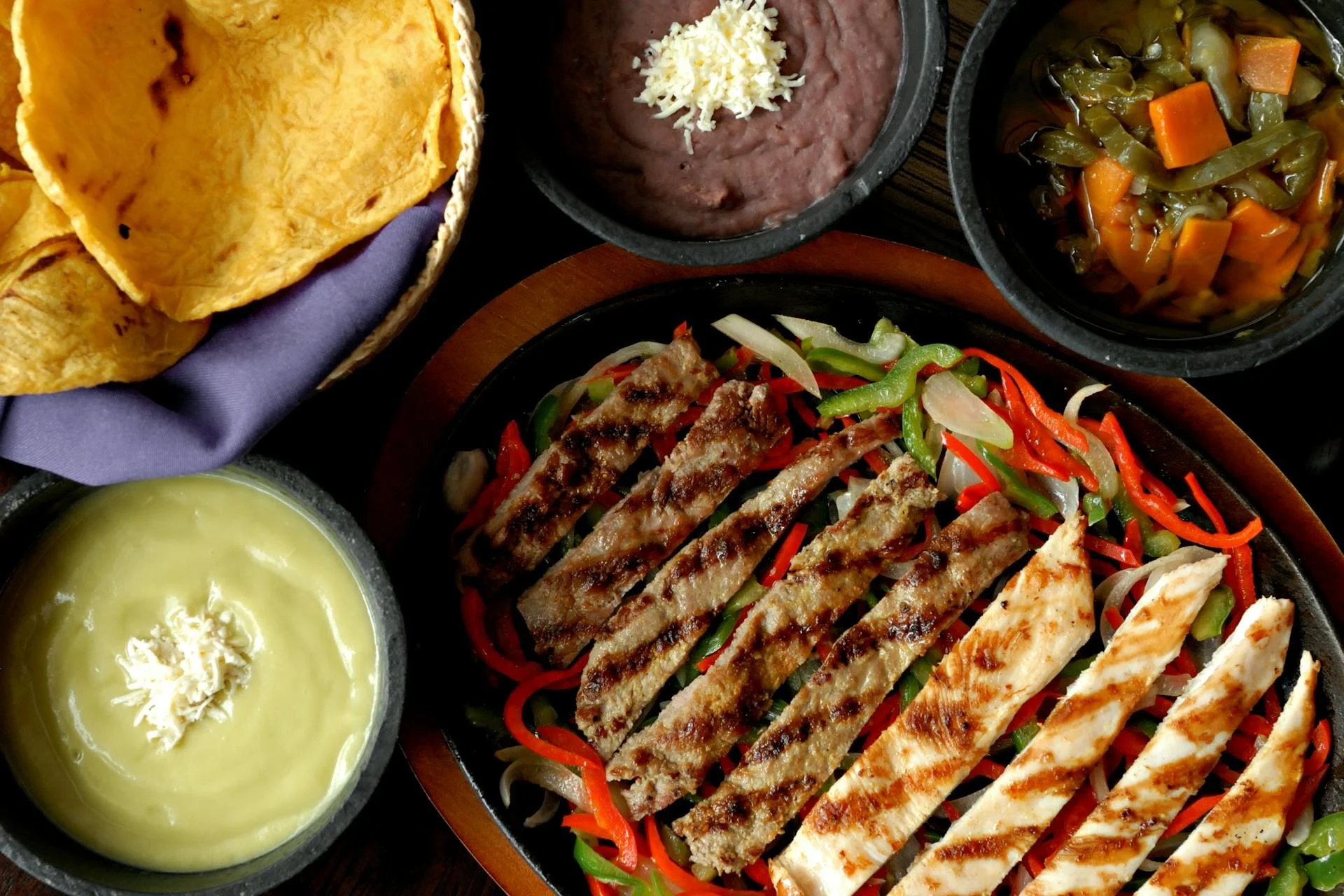
Diabetic Wellness
Carbohydrate counting: Track grams of carbohydrate per meal
Plate method: Fill half the plate with vegetables, one-quarter with lean protein, and one-quarter with carbohydrate
Fixed-carbohydrate meal plans: Preset carbohydrate amounts for meals and snacks for predictable glucose responses.
Prescribed Medication Considerations:
Insulin dosing and Oral Anti-hyperglycemics
-
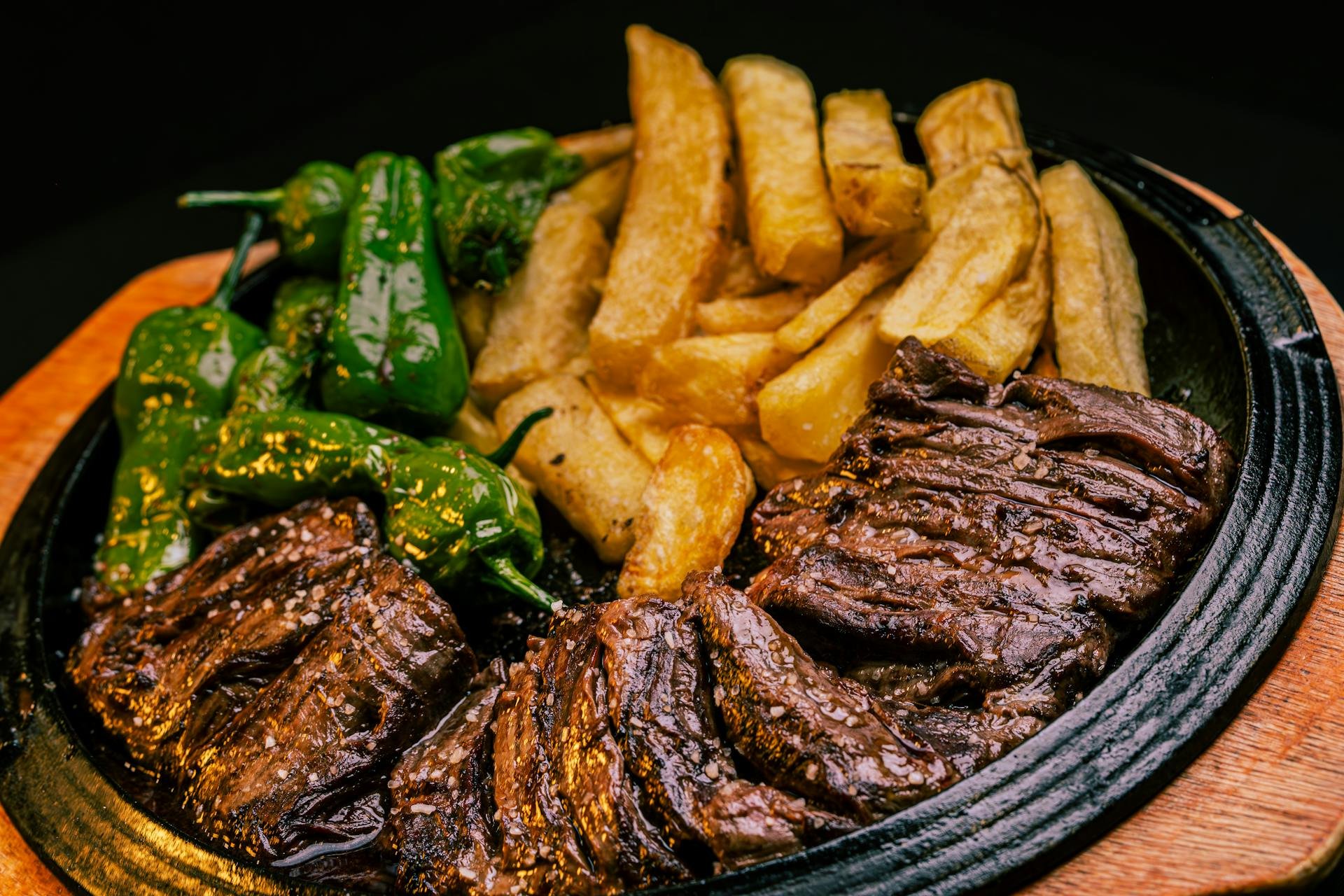
Weight Lifting & Training
Support strength gains: Recovery, and body composition; Maximize muscle protein synthesis
Use carbs strategically: Plan around workouts and on higher-volume training days
Protein intake: Protein supplements and powders
Prescribed Medication Considerations:
Supplements, hormones, and vitamins
-
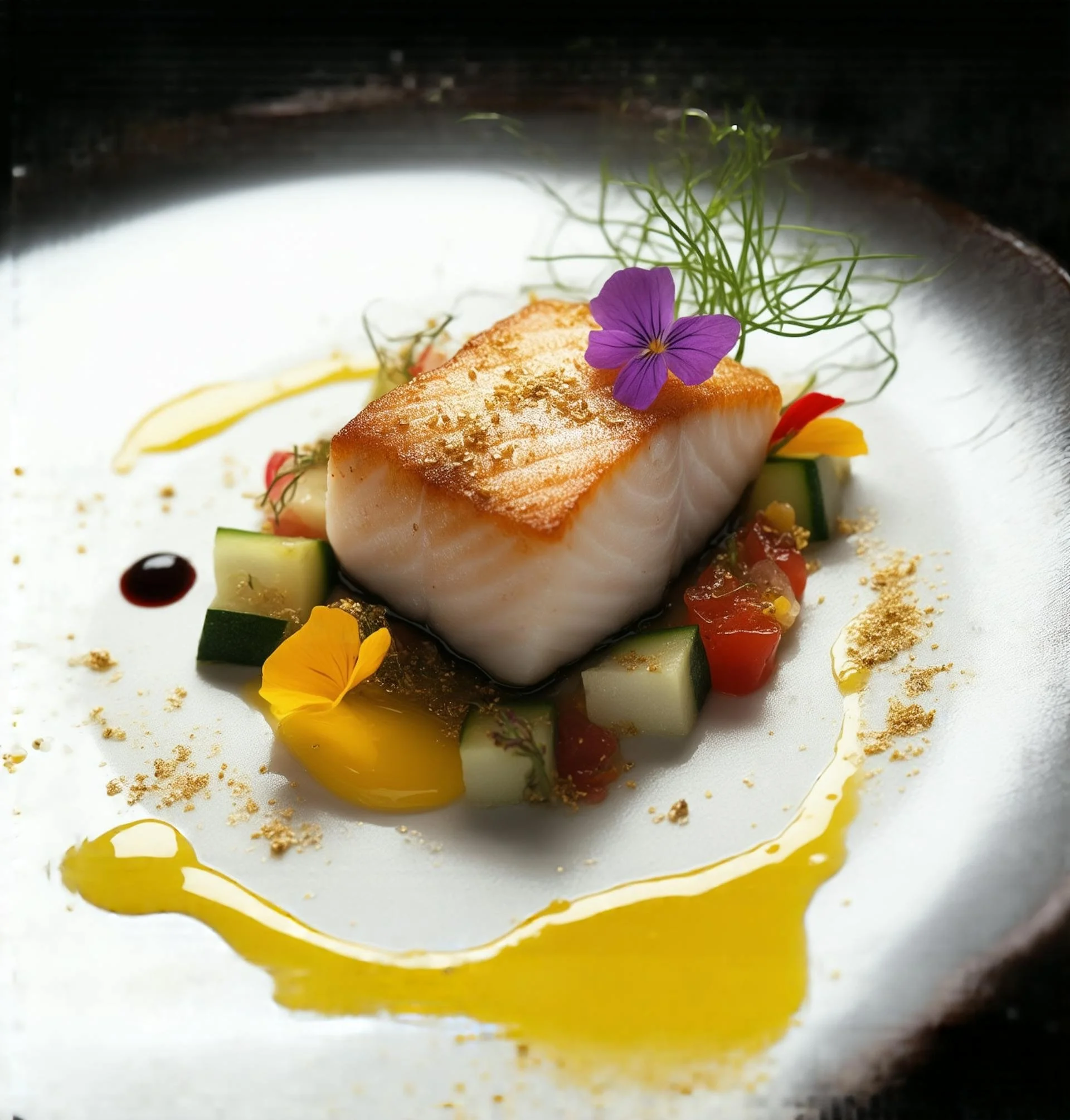
Fat Loss + Body Shape Cuisine
Prioritize protein:
Eat enough protein to maintain energy and performance helps control hunger and supports training
Whole foods and fiber:
Carbohydrate: Remaining calories after protein and fat
Control refined carbs and added sugars
Prescribed Medication Considerations:
GLP-1s
-
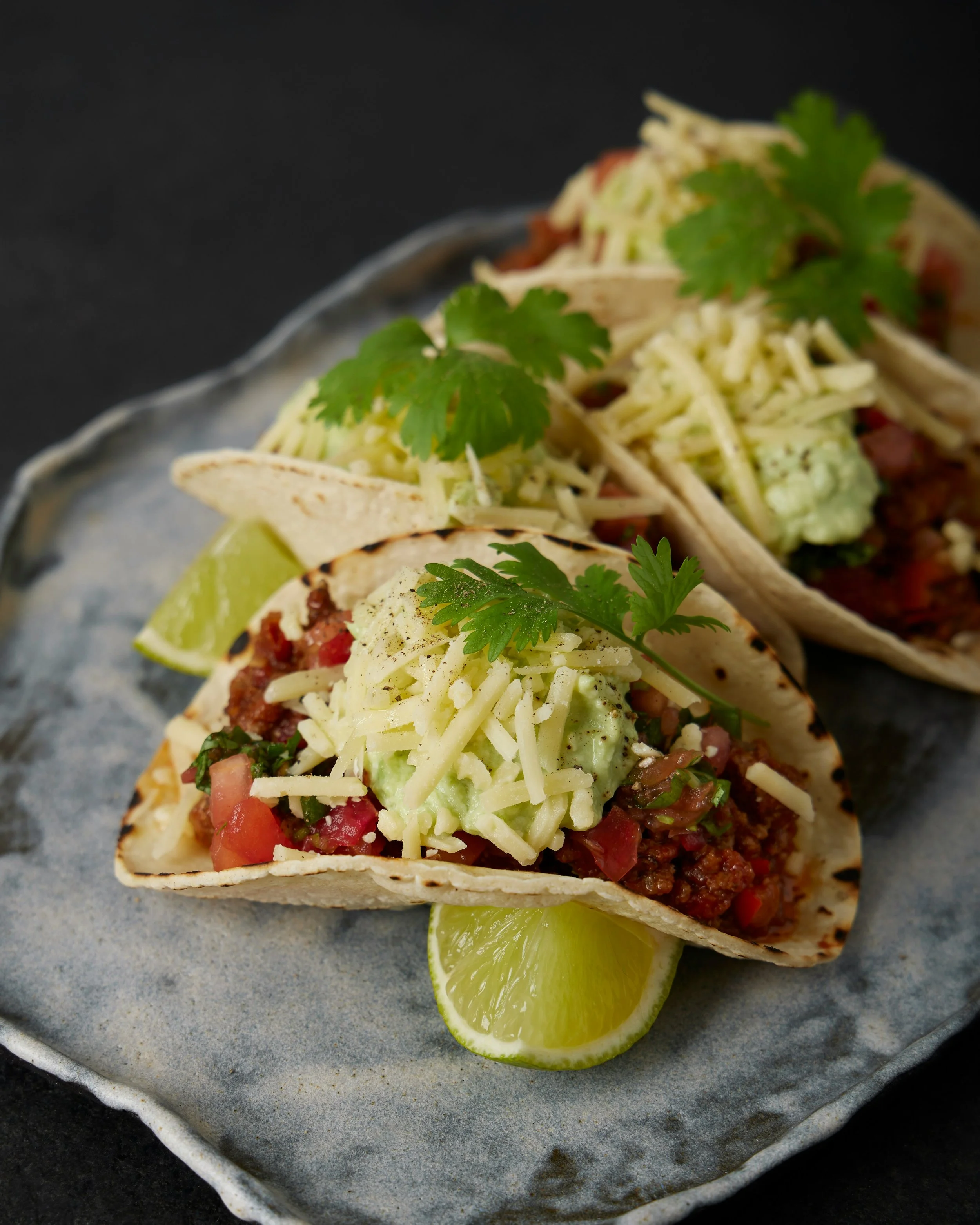
Underweight & Weight Gain
Body weight below healthy range
Treatment goals:
Achieve gradual, sustainable weight gain
Restore muscle mass and function
Correct nutrient deficiencies
Energy dense meals: Protein, healthy fats, Carbs,
Prescribed Medication Considerations:
Appetite Stimulants, THC options
-
Kidney Friendly Foods
For clients with decreased kidney function
Helps manage symptoms, slow progression of kidney disease, and reduce the risk of complications.
Prevent malnutrition and maintain appropriate protein intake for the stage of disease.
Prescribed Medication Considerations:
Phosphorous binders, diuretics
-

Fluid Restrictions
Limited fluid intake to prevent fluid overload or correct low sodium lab levels
Manage conditions where the body cannot handle normal fluid balance, such as heart failure, certain kidney diseases, cirrhosis with ascites, or hyponatremia
The goal is to prevent fluid overload while maintaining adequate nutrition, electrolyte balance, and quality of life
Prescribed Medication Considerations:
Diuretics, antihypertensives, oral electrolytes, vitamins
-
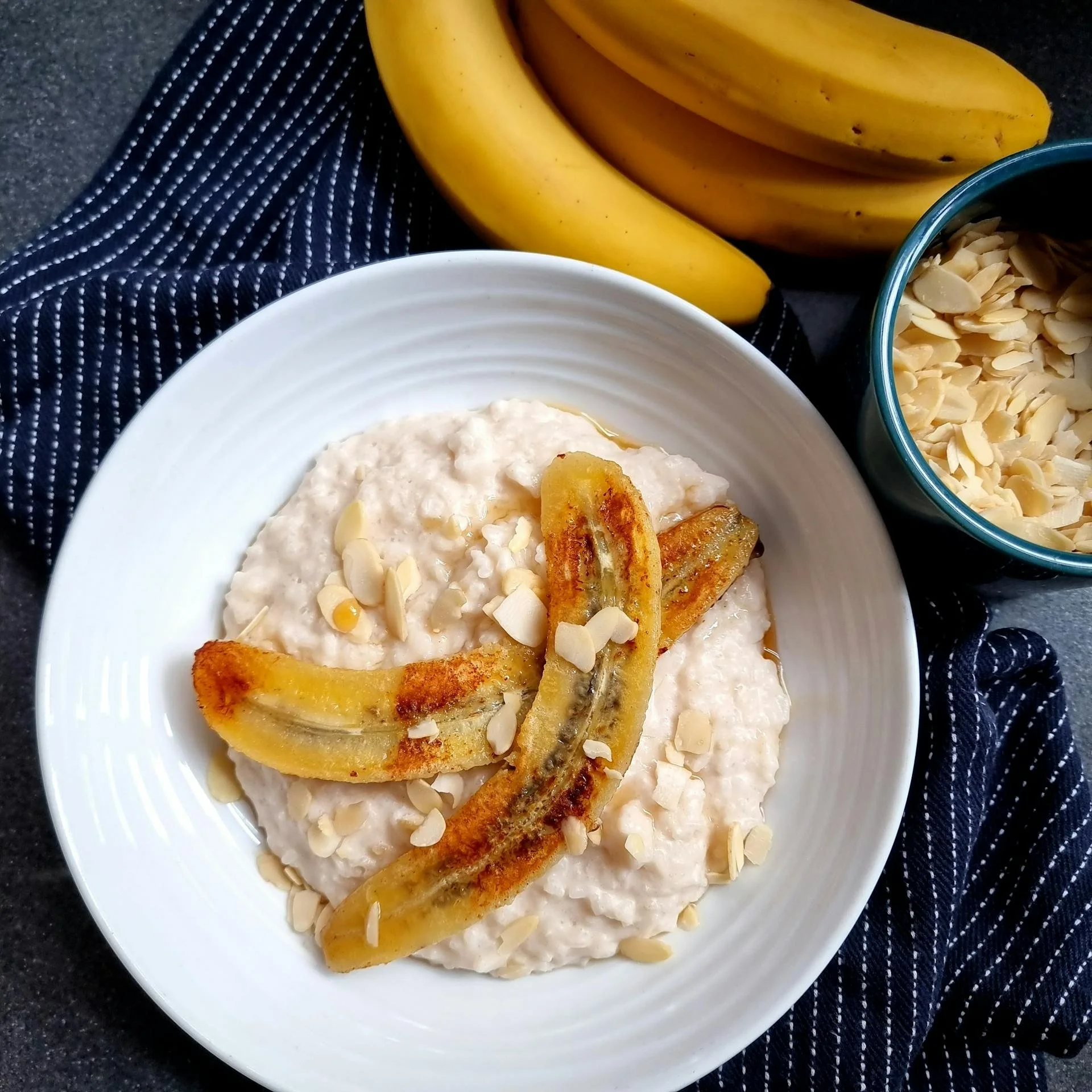
Potassium Rich Nutrition
For use with potassium-lowering medications
An essential mineral and electrolyte important for nerve signaling, muscle contraction (including the heart), fluid balance, and blood pressure regulation.
Adequate potassium intake helps counteract the blood-pressure-raising effects of sodium and supports cardiovascular and neuromuscular health goes here
-
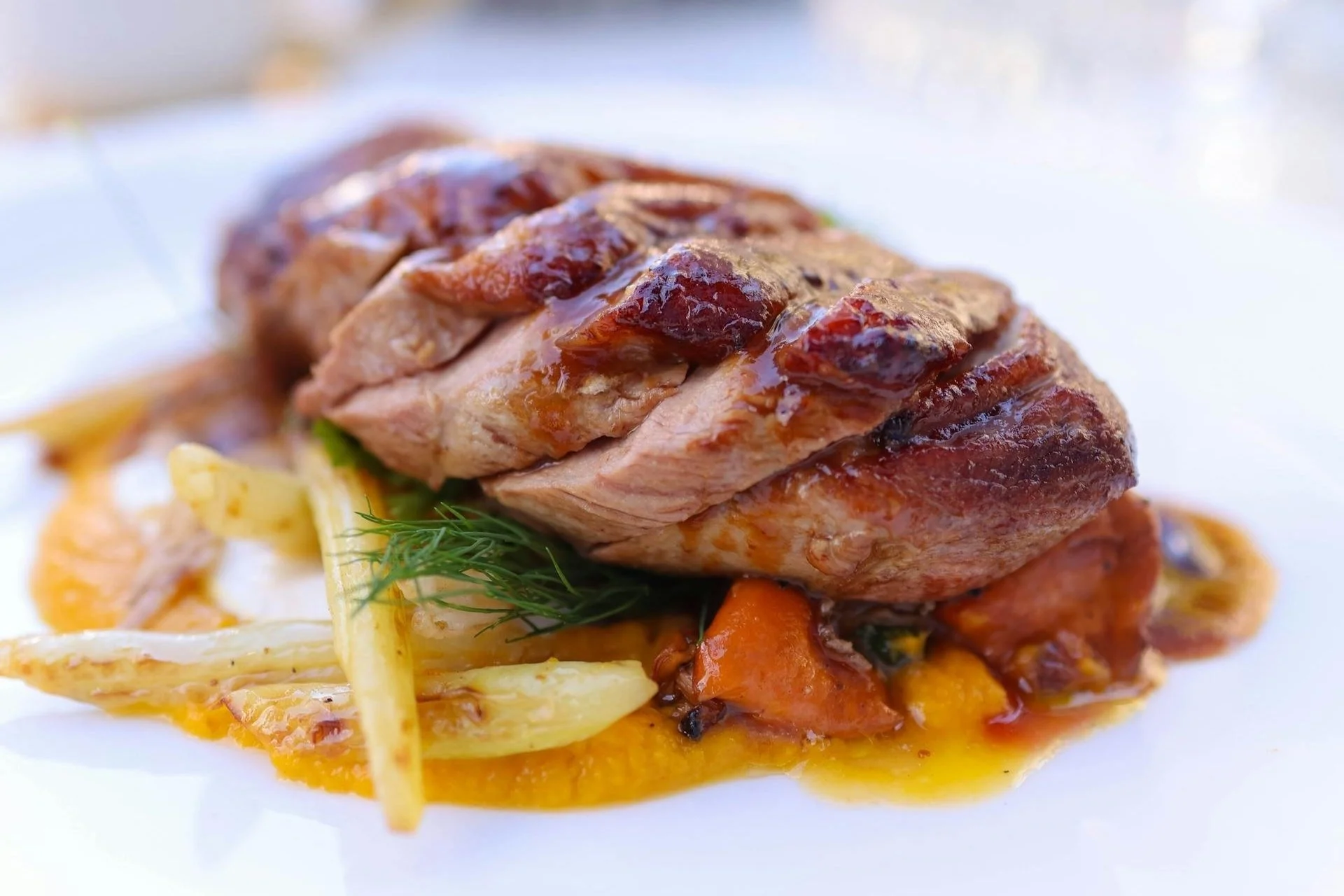
Post Surgical Orthopedic
Post‑Surgical Diet for Orthopedic Surgery:
Support wound healing and tissue repair
Reduce inflammation and support immune function
Maintain lean body mass and strength
Prevent constipation and maintain gut health
Manage blood glucose to reduce infection risk
-
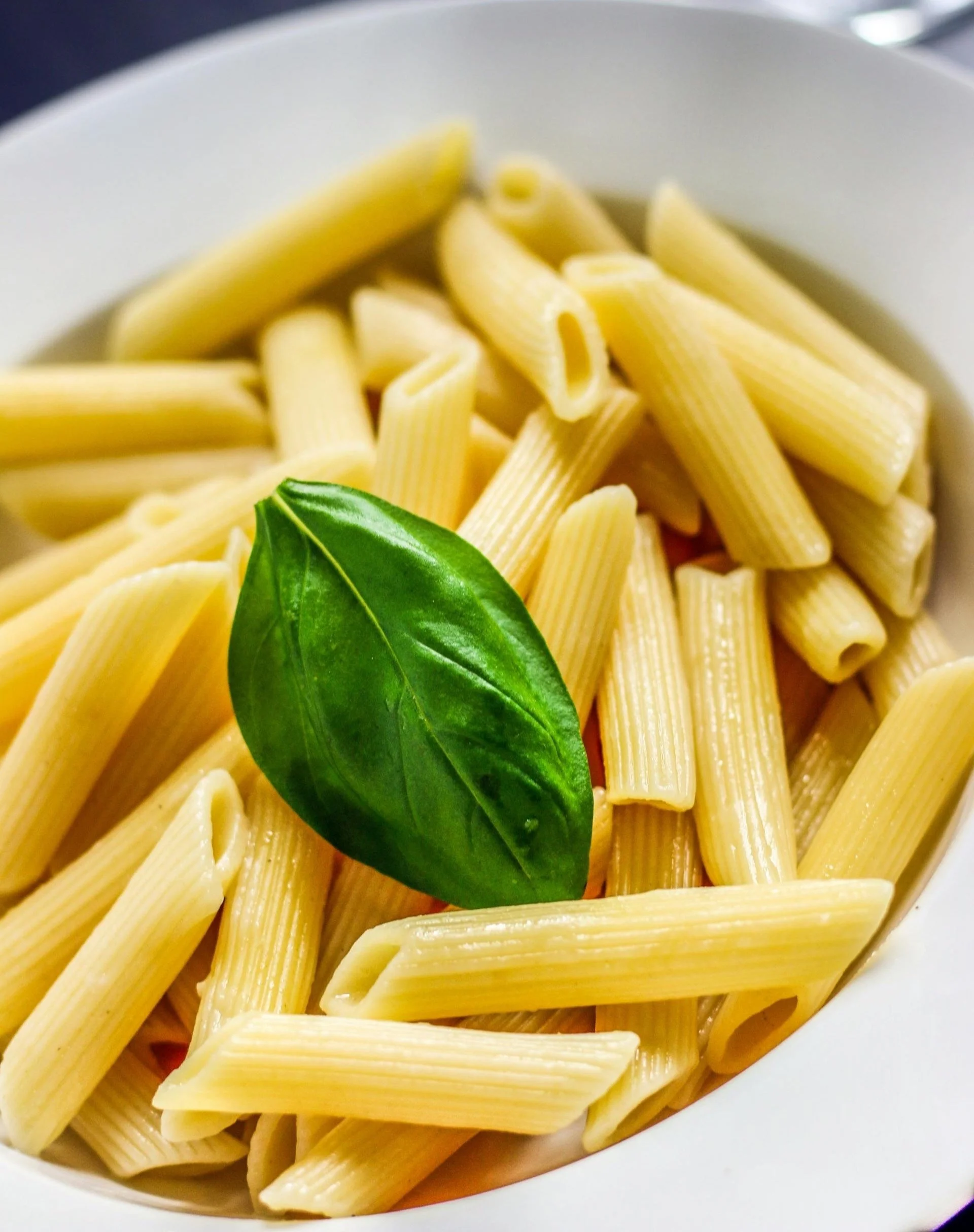
Gastrointestinal Health (needs link to diet)
Low-fiber diet: for short-term use
Reintroduce fiber gradually as symptoms resolve and under ongoing guidance and monitoring
Prescribed Medication Considerations:
Antacids, Probiotics, medications causing constipation or diarrhea
-
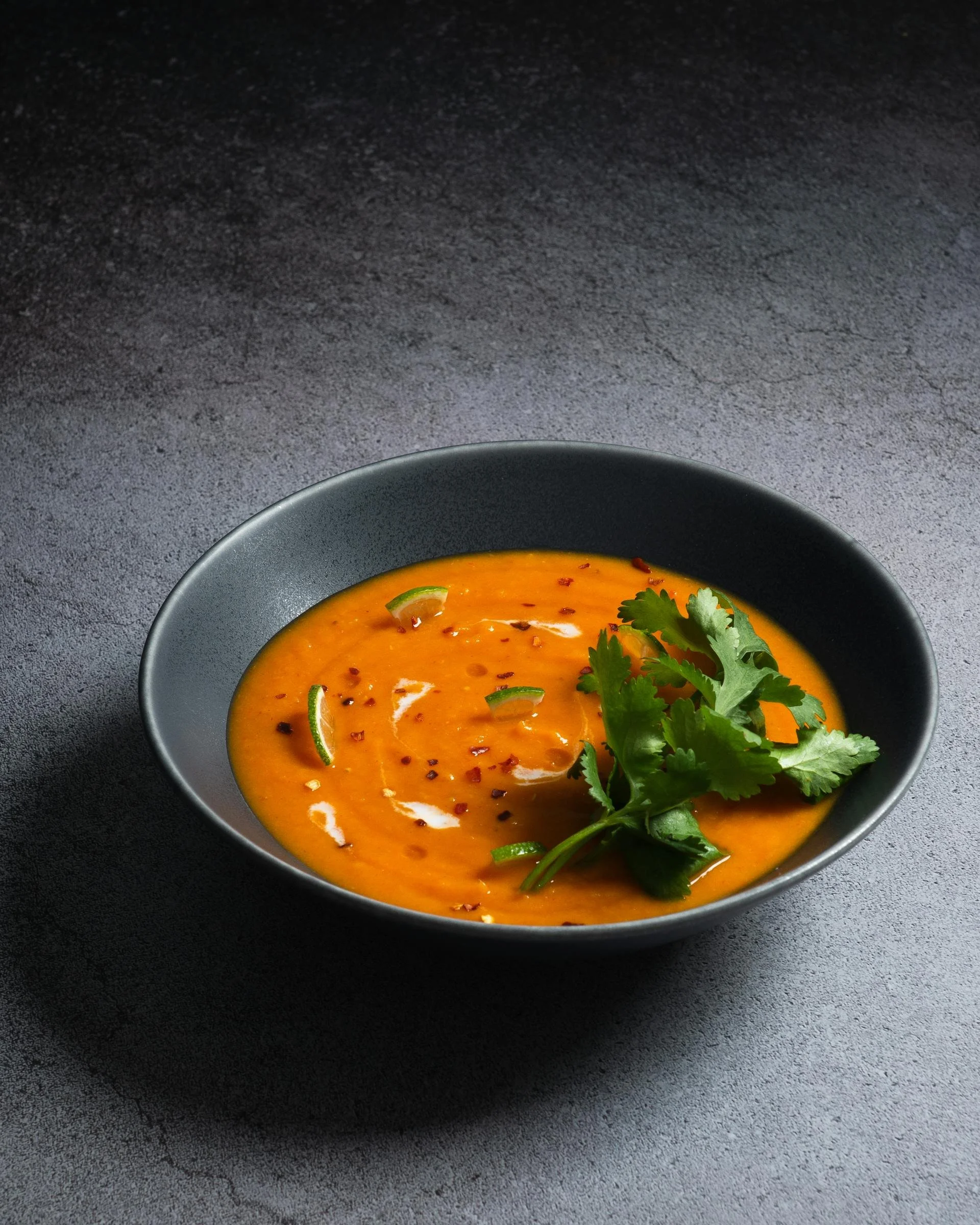
Post Surgical Gastrointestinal
Post-Surgical Diet for GastroIntestinal Surgery:
Support healing, reduce stress on the digestive tract, and gradually return your body to normal eating
Recommendations will vary by the type of surgery, individual recovery, and your surgeon or dietitian’s instructions
Low-fiber, low-residue options to reduce stool bulk and irritation
Avoid nuts, seeds, whole grains, raw vegetables, fibrous or tough meats, and dried fruits until advised otherwise
High-protein, nutrient-dense choices
Prescribed Medication Considerations:
Antacids, pain medications causing constipation, antibiotics, and probiotics
-

Low Fiber
Description goes here
These courses are for educational purposes only and provide general nutrition and cooking information. They are not individualized medical nutrition therapy, medical advice, diagnosis, or treatment. Always consult your physician or licensed healthcare provider regarding personal dietary needs or medical conditions.